

Nov
Guided Meditation For Addicts In Recovery Take A Break

A rehab center Reading PA locals swear by offers support, therapy, and tools to help you build a lasting recovery routine. According to the Pew Research Center, in 2014, 40% of U.S. adults practiced a form of meditation at least once a week, 8% meditated once or twice a month, and 4% meditated several times a year. Meditation therapy for substance abuse helps lessen cravings, ease withdrawal symptoms, and reduce the risk of relapse for those struggling with addiction.

Managing Recovery During the Holiday Season

« Mindfulness isn’t difficult, we just need to remember to do it, » wrote the meditation teacher Sharon Salzberg. By remembering to take part in these mindfulness practices every day, our journey of recovery can become ever deeper, more meaningful, and more rewarding. Although it has many forms, meditation is usually practiced by what is Oxford House sitting and quietly observing your body or thoughts.
The Benefits Of Meditation Therapy For Addiction Recovery
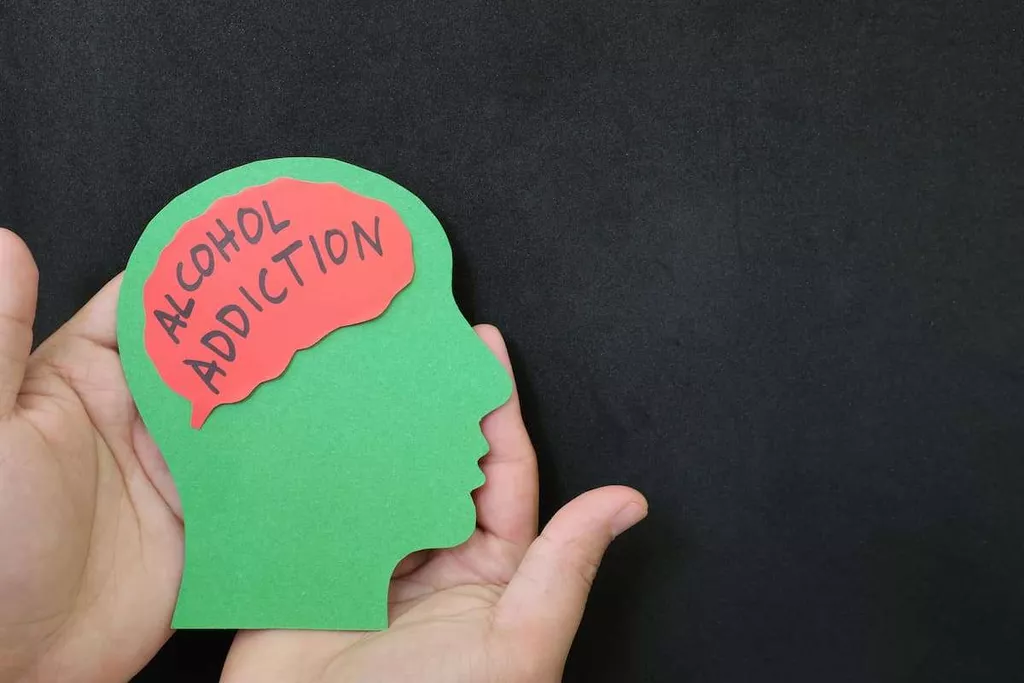
If you prefer something spiritual, texts from different traditions can provide comfort and guidance. Many people find that spiritual reflection gives them strength when recovery feels difficult. Whatever you choose, the goal is the same—staying connected to yourself and your recovery. A few minutes of reading each day can help you stay centered and focused on what matters most. All types of meditation involve being mindful of the present moment, but mindfulness meditation focuses entirely on this concept. In this form of meditation, you work to build your awareness of what is happening right now in your life.
- Hazelden Betty Ford’s Thought for the Day offers daily meditations for people in recovery or affected by addiction to alcohol or other drugs.
- As you place your attention here, you may notice the mind begin to wander.
- This shift in approach supports their journey towards sustained, long-term recovery.
- Mantra meditation is a type of meditation in which you repeat a word, affirmation, or positive statement to yourself repeatedly throughout the meditation.
- After taking a few deep breaths, allow your breathing to return to a natural state, and close your eyes.
h Foundation of Mindfulness: Mind Processes
- Movement meditation refers to meditation that occurs while you are moving rather than seated.
- By improving emotional regulation and reducing stress, it becomes a key element in the journey toward sobriety.
- May it support you on your journey as a complement to the work you do with trained addiction professionals.
- What we think about ourselves and others determines how we carry ourselves in the world, how we interact with people around us and how effectively we manage life.
Studies have demonstrated that meditation and behavioral therapies are useful techniques for decreasing stress and anxiety, which can help individuals in addiction recovery manage these triggers and emotions. Stress reduction through neural mechanisms can help nicotine dependent smokers with smoking cessation. Stress primed alcohol cues and stress exposure can contribute to drug abuse. Brief mindfulness training and mindful breathing acts to increase natural reward stimuli of pleasant daily life activities.
- Many people find that spiritual reflection gives them strength when recovery feels difficult.
- With time, you may also find that your ability to focus increases.
- Individuals who are recovering from addiction may experience increased stress and anxiety due to the changes in their lifestyle and the challenges of sobriety.
- However, the first step is to verify that the rehab facility accepts your insurance.
D. Embrace an open-minded and compassionate attitude towards yourself and your experience. A. Create a safe and comfortable space where you can sit or lie down without interruptions. Set a clear intention for your meditation, such as cultivating self-compassion or exploring the roots of your addiction. Meditation has been practiced for thousands of years and is now backed by a growing body of scientific research that demonstrates its numerous benefits. By following this meditation, you can meditations for addiction tap into your inner strength and resilience, and take a vital step towards reclaiming your life. Recovery is possible, and adopting a holistic approach that includes meditation can be incredibly beneficial.
No Comments